To further improve talent services, the university convened a symposium with talent representatives for 2026 on April 3. Wang Yong, Deputy Party Secretaryofthe University Party Committee and President of theUniversity, Niu Huazhen, Member of the University Party Committee and Director of the Publicity Department (Faculty Affairs Office), and Han Juan, Member of the University Party Committee and Director of the Organization Department, attended the meeting. Talent representatives, together with heads of relevant functional departments, also participated in the symposium.
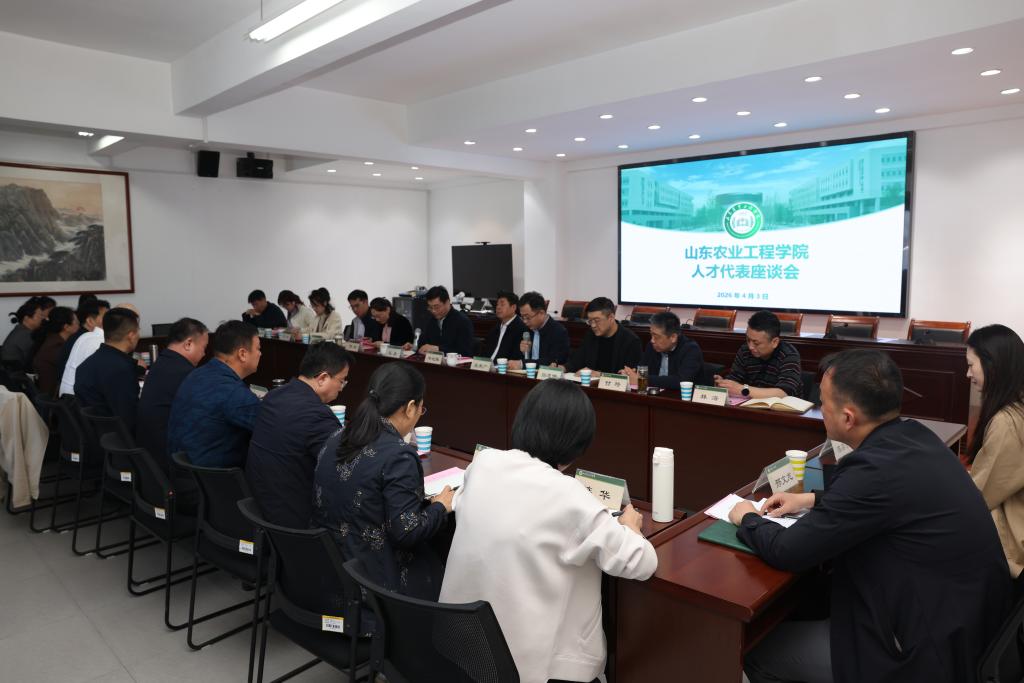
Wang Yong extended his sincere gratitude and respect to talents working on the frontlines of teaching and research. He carefully listened to the opinions and suggestions put forward by the representatives and responded proactively to relevant issues. He noted that their remarks reflected a deep passion for higher education, a spirit of selfless dedication to the university’s development, and strong expectations for its future. Emphasizing that talent constitutes the core driving force of the university’s development, he required relevant departments to systematically review and fully incorporate the suggestions raised, and to translate reasonable requests into concrete measures for improving work and optimizing policies.
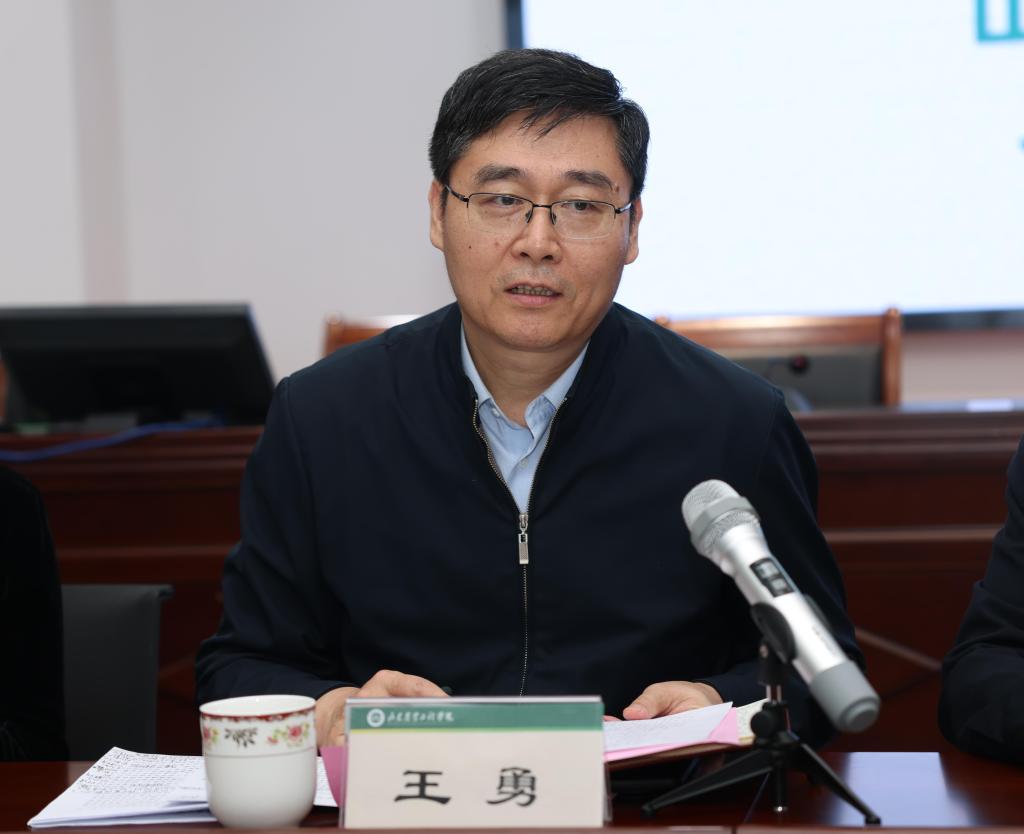
Wang Yong pointed out that the university must align its efforts closely with the demands of the times and the core task of developing master’s degree programs. Grounded in the national goal of boosting China’s strength in agriculture and education, the university should adopt a “broad-discipline” approach and expedite the realization of three key transformations in both mindset and practice.First, it should shift from a primary focus on teaching to placing equal emphasis on teaching and research. Second, it should transition from “school-based development” to “discipline-based development.” Third, it should achieve a transformation in institutional awareness by mobilizing the entire university to integrate resources, cultivate and strengthen distinctive and competitive disciplines, drive the development of related fields, and enhance overall development capacity.
Wang Yong emphasized that the university should adapt to the requirements of transformation and development, learn from high-level universities, and adhere to a model in which research provides leadership while teaching remains fundamental, with clear delineation of responsibilities in teaching, research, and social service. He called for strengthening classified evaluation of talents, formulating targeted evaluation systems for different categories of personnel, and establishing scientific, reasonable, and precise evaluation indicators. At the same time, sustained efforts should be made in talent recruitment and cultivation to ensure continuity and vitality, forming a positive effect whereby “introducing one talent drives a group and gathers a cluster.” These efforts aim to build a well-structured, high-quality, and dynamic talent team, advance the university’s high-quality development, and contribute to boosting China’s strength in agriculture and education.
At the meeting, participating talent representatives engaged in in-depth exchanges and shared insights on university development, discipline construction, and talent cultivation. They offered suggestions for institutional development while reflecting on their own professional growth, creating a lively and productive atmosphere.